🎨 North Korean Oil Painting vs. European Oil Painting — A Deep Artistic Comparison
Oil painting has taken different paths in every culture. While European oil painting has shaped the global art world for centuries, North Korean oil painting developed its own distinctive identity in Asia—rooted in realism yet infused with emotional warmth and cultural symbolism.
This article compares these two unique traditions and helps collectors understand their characteristics and value.
1. Historical Origins
European Oil Painting
- Originates from the Renaissance (14th–17th century)
- Developed through Baroque, Rococo, Romanticism, Impressionism, Modernism
- Artists like Da Vinci, Rembrandt, Monet, Van Gogh shaped global standards
- Strong focus on individual expression and breakthrough techniques
North Korean Oil Painting
- Emerged mainly after the mid-20th century
- Strongly influenced by Russian/Soviet academism and Chinese realism
- Formed a unique style blending classical realism and emotional expression
- Developed within a highly disciplined academic system
Summary:
Europe = long evolutionary history
North Korea = modern, academically refined realism
2. Artistic Philosophy
North Korea: Harmony, Emotion, and Idealism
North Korean oil painting emphasizes:
- emotional realism
- idealized beauty
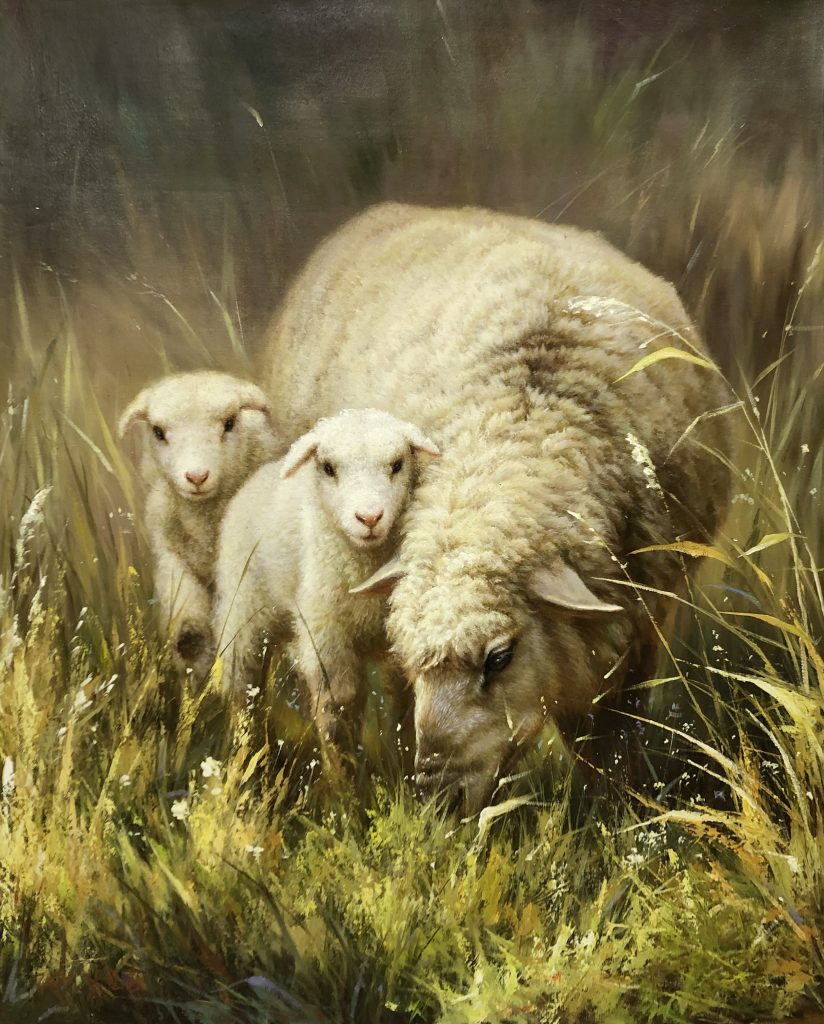
- harmony with nature
- positive, uplifting themes
- warm storytelling
Art is meant to inspire, comfort, and reflect a peaceful, orderly world.
Europe: Individuality, Innovation, and Freedom
European art focuses on:
- personal expression
- experimentation
- philosophical depth
- emotional extremes (darkness, conflict, drama)
- breaking traditional rules
European artists often push boundaries, challenge aesthetics, and explore abstract ideas.
3. Stylistic Differences
North Korean Style
- Clean, balanced compositions
- Smooth brushwork
- Bright, saturated colors
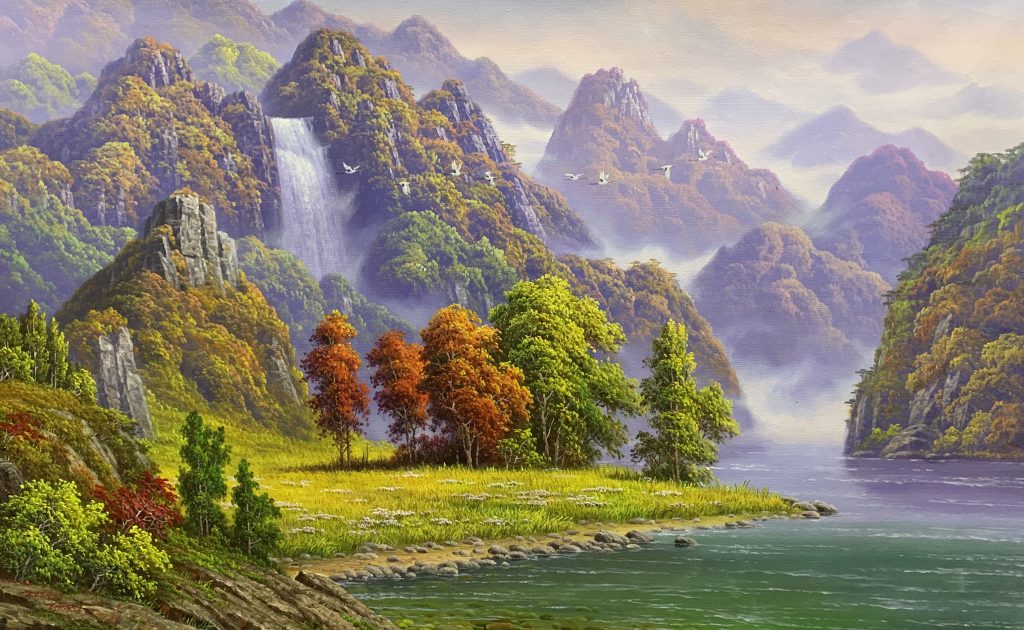
- Romantic landscapes & idealized portraits
- Classical realism without heavy impasto
Visual feeling: calm, harmonious, lyrical
European Style (Very Diverse)
Includes:
- Renaissance classical realism
- Baroque drama
- Romantic intensity
- Impressionist light & color
- Modern abstract and conceptual art
Visual feeling: expressive, experimental, diverse, sometimes dramatic or bold

4. Color Palette Comparison
| Region | Typical Color Style | Impression |
|---|---|---|
| North Korea | Bright, clean, harmonious | Pure and uplifting |
| Northern Europe | Cool tones, muted palettes | Calm, atmospheric |
| Southern Europe | Warm sunlight palette | Rich, vibrant |
| Western Europe Modern | Experimental palettes | Bold, expressive |
North Korean paintings use colors that are high in clarity and purity, while Europe’s range spans from classical dark tones to Impressionist pastels and modern experimental hues.
5. Techniques & Brushwork
North Korea
- Smooth, refined strokes
- Less visible brush texture
- Focus on accuracy + emotional softness
- Strong academic consistency
- Often polished and delicate
Europe
- Classical glazing techniques
- Heavy and dramatic impasto (Van Gogh, Rembrandt)
- Free, expressive strokes (Impressionism)
- Abstract shapes and textures
- Techniques that vary by region and era
European oil painting includes far more experimental and varied textures.
6. Subject Matter
North Korea
- Nature and mountain landscapes
- Rural life and everyday moments
- Positive emotional narratives
- Portraits of workers, families, and children
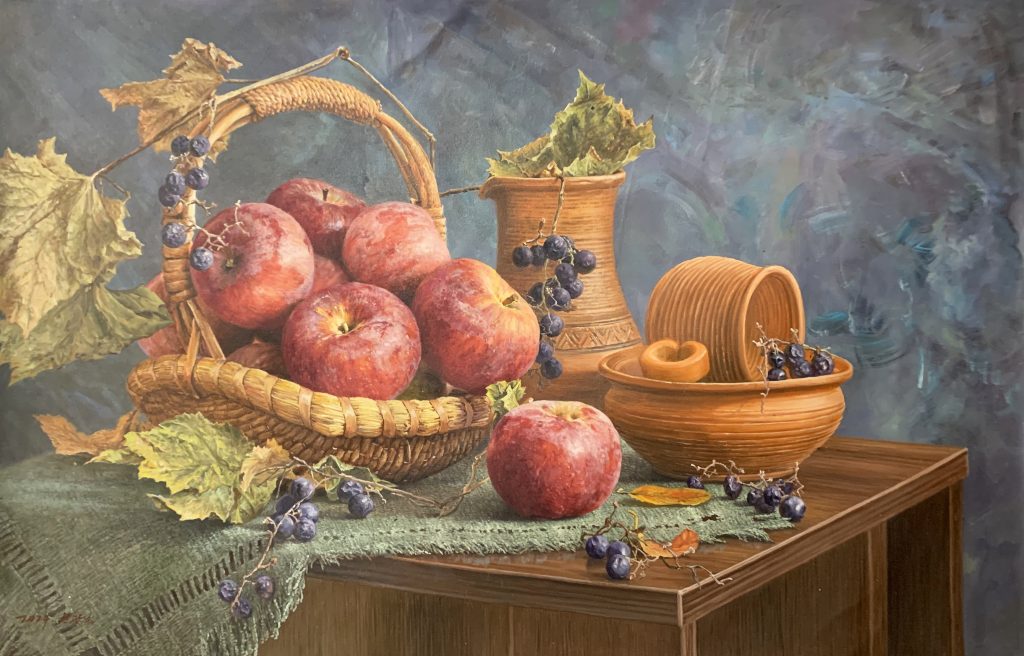
- Still life with lyrical warmth
Europe
- Religion, mythology, and history
- Royal courts, aristocrats, philosophers
- War, love, conflict, tragedy
- Still life with symbolism
- Modern: abstract concepts, surreal fantasy, political art
European art explores a wider range of emotions—including darkness, tension, and philosophical depth.
7. Cultural Influence
North Korea
- Reflects collective values
- Emphasizes positivity and ideal harmony
- Rejects extreme abstraction
- Style consistency across generations
Europe
- Driven by individualism
- Constant stylistic revolution
- Embraces chaos, conflict, contradiction
- Strong philosophical and cultural diversity
8. Collectors’ Perspective
Why Collect North Korean Oil Paintings?
- Exceptional technical skill
- Unique cultural identity
- Warm, harmonious visuals suitable for home décor
- Increasing international attention
- Affordable compared to European originals
Why Collect European Oil Paintings?
- Long history and global influence
- Wide stylistic selection
- High investment value from renowned schools
- Strong presence in museums and auctions
9. Which One Fits Your Space?
| Preference | Best Match |
|---|---|
| Bright, uplifting, harmonious atmosphere | North Korean |
| Classical interiors, luxury décor | European classical |
| Modern or minimalist homes | European contemporary |
| Warm nature themes | North Korean |
| Artistic experimentation | European modern/abstract |
Conclusion: Two Traditions, Two Worlds of Beauty
While European oil painting represents centuries of artistic evolution and innovation, North Korean oil painting provides a fresh and unique style rooted in emotional realism, harmony, and technical refinement.
Both traditions offer beauty—just in different forms:
- Europe: expressive, philosophical, diverse
- North Korea: serene, emotional, meticulously crafted
Collectors often enjoy owning both, as they complement each other with contrasting yet harmonious aesthetic experiences.
Click here to learn more about North Korean oil paintings.
Click here to see more landscape-themed works.
Click here to see more animal-themed works.