Complete Guide to Oil Painting Styles: From Classical to Contemporary
Discover the full range of oil painting styles—from classical realism to impressionism, abstract art, and contemporary trends. A complete guide for collectors, art lovers, and home decorators.
Oil painting is one of the richest and most diverse art forms in history. Over the centuries, painters across Europe, Russia, and Asia have developed unique techniques and visual languages, creating countless styles that continue to inspire modern art today.
This guide introduces the most important oil painting styles, their features, and the type of collectors who typically appreciate each one. Whether you are decorating your home, building a collection, or simply exploring art, this overview will help you understand what makes each style special.
1. Classical Oil Painting
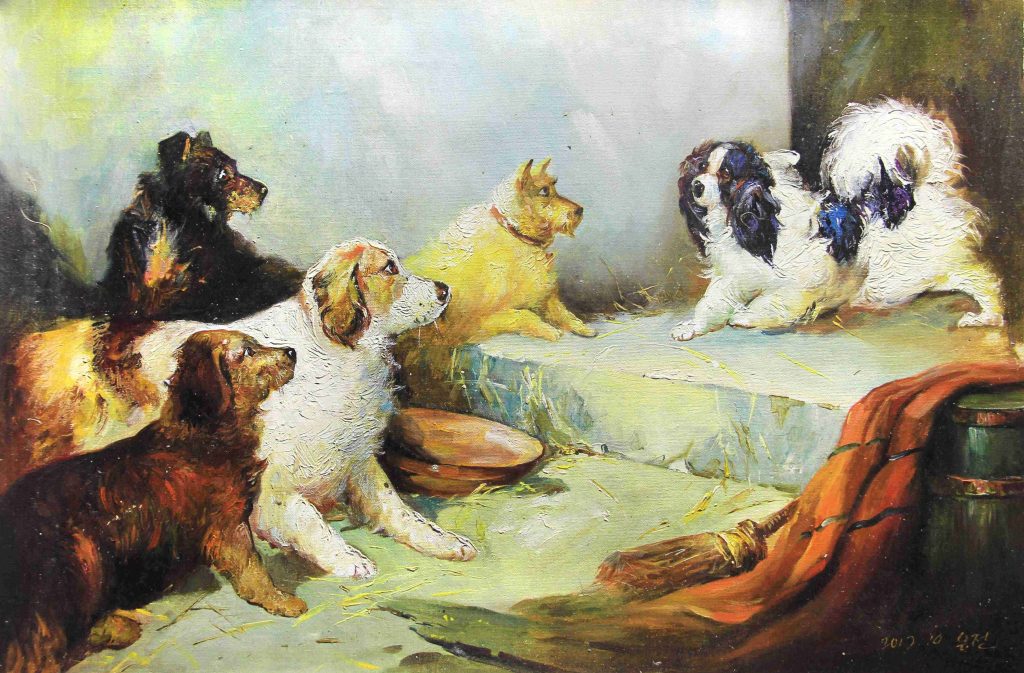
Classical painting emphasizes structure, perfect proportions, and realistic representation.
Key Features:
- Strong focus on anatomy and perspective
- Soft transitions between light and shadow
- Themes from religion, mythology, and history
Representative artists: Leonardo da Vinci, Raphael, Michelangelo
Best for: Collectors who appreciate traditional beauty and technical mastery.
2. Realism
Realism aims to portray life exactly as it appears, without exaggeration or idealization.
Key Features:
- Detailed and accurate scenes
- Natural colors and lighting
- Subjects include ordinary people, social life, and rural landscapes
Representative artists: Courbet, Millet, Ilya Repin
Best for: Fans of documentary-style painting and historical atmosphere.
3. Impressionism
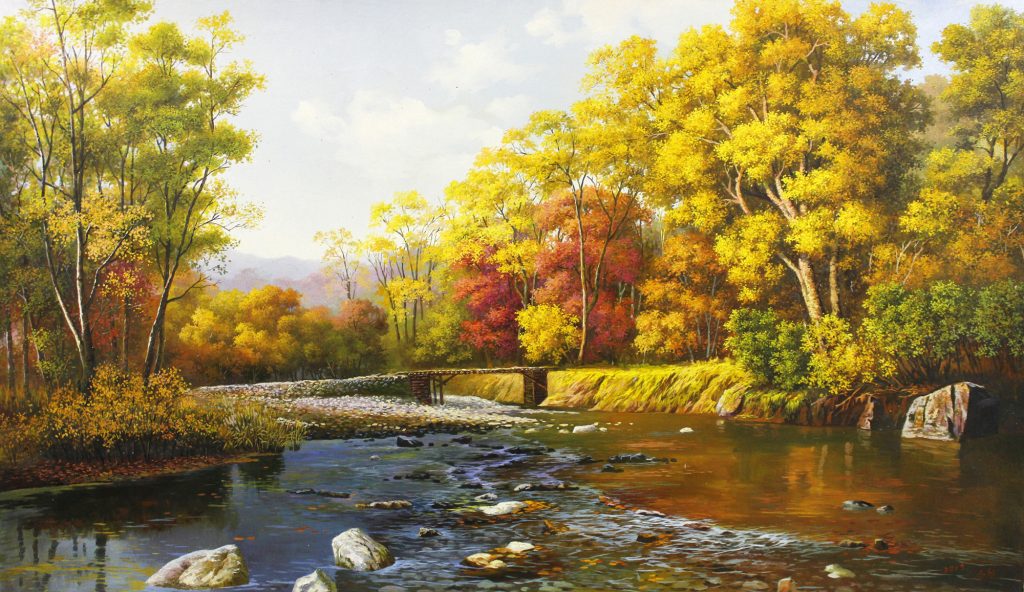
One of the most beloved styles, Impressionism captures fleeting light and the mood of a moment.
Key Features:
- Outdoor scenes and natural lighting
- Loose brushwork
- Bright, vibrant color palettes
Representative artists: Claude Monet, Renoir, Degas
Best for: Homes needing warmth, brightness, and peaceful emotions.
4. Post-Impressionism
Post-Impressionists expanded on Impressionism, adding stronger personal emotion and structural design.
Key Features:
- Expressive color
- More defined forms
- Strong emotional impact
Representative artists: Van Gogh, Gauguin, Cézanne
Best for: Collectors who enjoy dramatic color and iconic masterpieces.
5. Expressionism
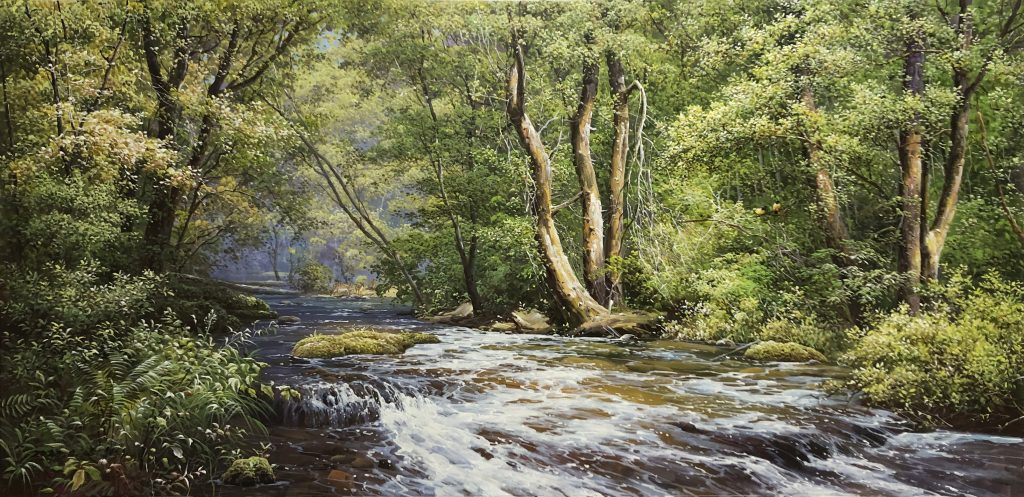
Expressionism focuses on emotional intensity rather than realistic depiction.
Key Features:
- Bold colors
- Distorted shapes
- Psychological and emotional themes
Representative artists: Edvard Munch, Wassily Kandinsky
Best for: Interiors that embrace individuality, emotion, and creative energy.
6. Cubism
Cubism breaks objects into geometric shapes and multiple viewpoints.
Key Features:
- Abstract, fragmented forms
- Strong structure
- Limited or simplified color palettes
Representative artists: Pablo Picasso, Georges Braque
Best for: Modern homes, architecture-inspired spaces, and design lovers.
7. Abstract Art
Abstract art removes recognizable imagery, focusing instead on color, rhythm, and composition.
Key Features:
- No concrete subject
- Emotional or conceptual expression
- Freedom of interpretation
Representative artists: Kandinsky, Mondrian, Mark Rothko
Best for: Minimalist interiors, luxury lobbies, and contemporary aesthetic spaces.
8. Surrealism
Surrealism blends fantasy and reality, often inspired by dreams and the subconscious.
Key Features:
- Strange, impossible combinations
- Dreamlike scenes
- Symbolic meanings
Representative artists: Salvador Dalí, René Magritte
Best for: Collectors who love unusual, imaginative, and mysterious art.
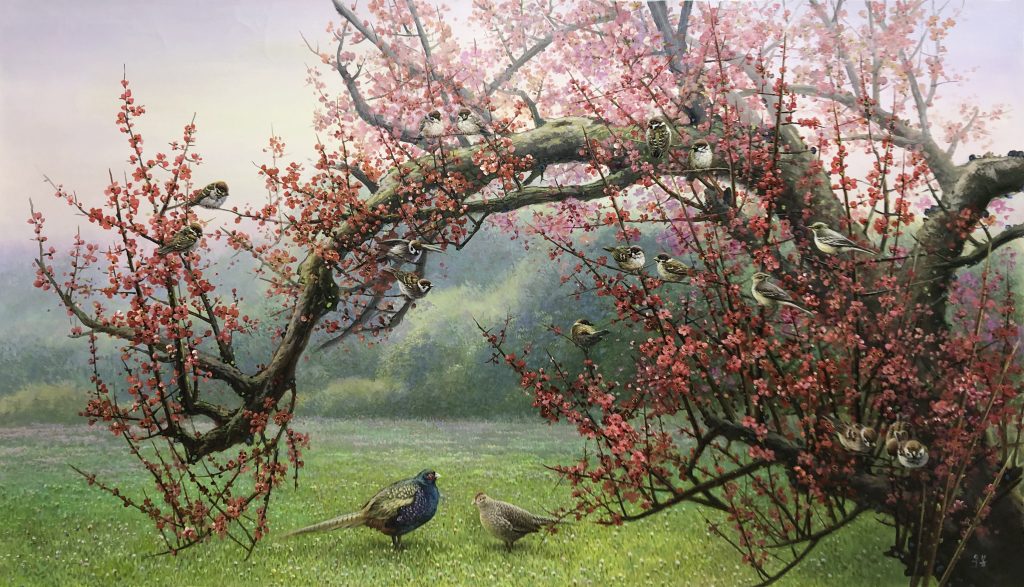
9. Eastern Oil Painting Styles (Chinese, Korean/North Korean)
Eastern oil painting merges Western techniques with Asian cultural themes.
Chinese Oil Painting
- Blends realism with the spirit of traditional ink painting
- Balanced composition
- Common themes: landscapes, portraits, rural life
North Korean (Korean) Oil Painting
- Highly detailed and technically rigorous
- Vivid colors and realistic landscapes
- Strong influence from Soviet realism
- Stable and recognizable artistic tradition
Best for: Collectors seeking stability in value, strong craftsmanship, and unique cultural aesthetics.
10. Contemporary Oil Painting
Contemporary art includes experimental, mixed-media, and conceptual works.
Key Features:
- Diverse techniques
- Bold ideas and personal narratives
- Flexible and innovative styles
Best for: Buyers looking for originality, modern expression, or emerging artists with potential value growth.
Conclusion: Finding the Right Style for Your Space or Collection
Understanding oil painting styles helps you:
✔ Choose artwork aligned with your taste
✔ Build a meaningful collection
✔ Make informed investment decisions
✔ Appreciate the evolution of global art traditions
No matter which style speaks to you—classical beauty, emotional expression, or modern abstraction—oil painting will always offer depth, history, and unmatched artistic richness.
Click here to learn more about North Korean oil paintings.
Click here to see more landscape-themed works.