North Korean Oil Painting: History, Style, Techniques & Why Collectors Value DPRK Art
Discover the unique world of North Korean oil painting—its history, artistic style, realism techniques, and why DPRK oil paintings are increasingly popular among global collectors. Learn how to evaluate authenticity and purchase North Korean art safely.
North Korean Oil Painting: A Complete Guide for Collectors, Investors, and Art Enthusiasts
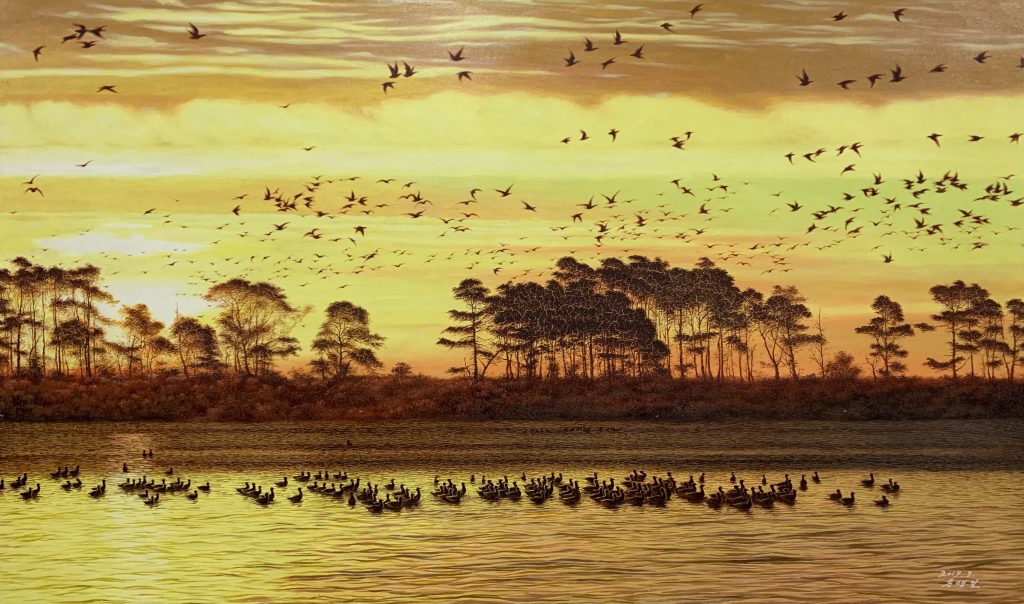
North Korean oil painting—often called DPRK oil painting—is one of the most unique and underexplored art forms in the global fine art market. While Chinese, Russian, and European oil paintings have long been recognized in academic and commercial circles, North Korean oil paintings offer a rare blend of socialist realism, national storytelling, and exceptional hand-painted craftsmanship.
For new collectors, understanding the style, value, and investment potential of these works is essential.
1. The History Behind North Korean Oil Painting
The development of North Korean oil art began in the mid-20th century, shaped by:
- Soviet socialist realism
- Chinese revolutionary painting
- Traditional Korean aesthetics
Artists were trained with strict academic foundations. Many leading DPRK painters studied Russian and Eastern European classical techniques, creating an art style that is disciplined, realistic, and emotionally expressive.
Key features of historical development
- Strong ideological themes
- Realistic, structured composition
- High technical standards from academy-style training
- Emphasis on storytelling
As a result, North Korean oil paintings have become a visual archive of Korean culture, landscapes, labor scenes, and daily life.
2. Artistic Style: What Makes North Korean Oil Painting Unique?
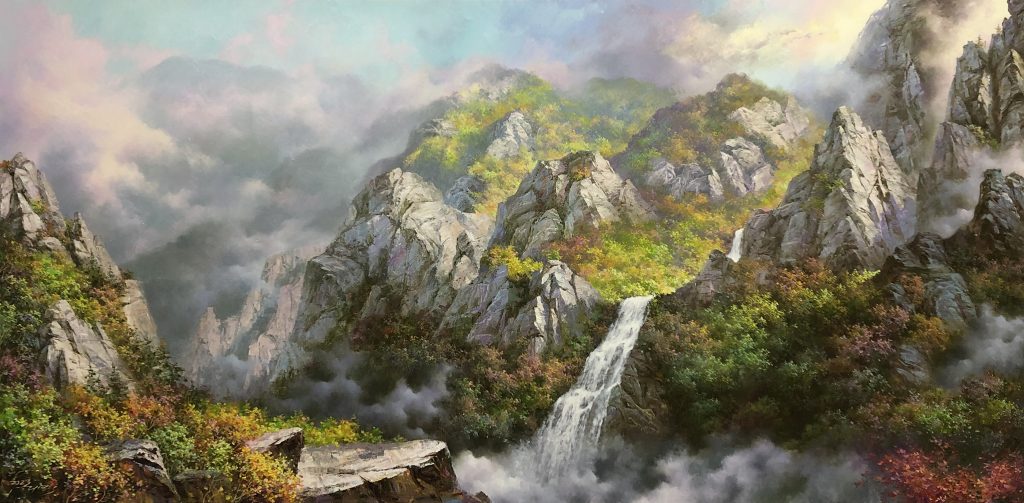
North Korean oil paintings are known for their precise brushwork, rich color layering, and high realism. Compared with Chinese and European styles, DPRK paintings possess a unique blend:
✔ Realism with emotional warmth
While Chinese oil painting often blends modern expression and European art can lean abstract, North Korean works maintain pure realism—clear details, structured compositions, and expressive faces.
✔ Layered colors and smooth textures
Many DPRK artists use a classical oil technique similar to Russian academic painting.
✔ Cultural storytelling
Subjects include:
- Landscapes
- Farmers and workers
- Military scenes
- Everyday life
- Traditional Korean culture
✔ Large-scale hand-painting
Most DPRK artists work with large canvas sizes (70–120 cm on average), which increases visual impact and collectible value.
3. Techniques Used by North Korean Painters
Top DPRK painters apply traditional academic oil techniques:
● Underpainting & tonal sketch
Artists start with a monochrome underlayer to control light and shadow.
● Multi-layer glazing
Thin transparent layers create richness and depth.
● Fine brush detailing
Faces, fabrics, and environmental textures are painted with microscopic precision.
● Controlled color palette
Compared with European impressionism, colors are more controlled, smoother, and realistic.
This technique gives North Korean oil paintings a museum-level finish rarely seen in modern mass-produced artworks.
4. Why Collectors Are Increasingly Interested in North Korean Oil Paintings
1) Limited supply = high rarity
Due to political and geographic restrictions, DPRK art is extremely scarce in the global market.
2) Strong hand-painted quality
Every piece is 100% hand-painted—no prints, no replicas, no AI-generated art.
3) Stable secondary-market value
Collectors in China, Japan, Europe, and the U.S. have quietly increased purchases over the last decade.
Long-tail keyword naturally inserted:
North Korean oil painting for investment, DPRK artwork value.
4) Visual power & narrative depth
Scenes of labor, nature, and Korean life appeal to buyers who want art with meaning—not just decoration.
5. How to Evaluate Authentic North Korean Oil Paintings
When buying authentic DPRK oil paintings, consider:
✔ Artist reputation
Well-known DPRK artists (e.g., senior studio painters) command higher prices.
✔ Technique quality
Look for:
- Layering
- Realistic lighting
- Depth
- Fine facial and fabric details
✔ Canvas size
Larger works generally have higher collectible value.
✔ Condition
Check for:
- Cracks
- Loose canvas
- Frame condition
✔ Source reliability
Work only with trusted galleries and dealers who specialize in North Korean oil paintings.
6. North Korean Oil Painting vs. Chinese / Russian / European Styles (SEO Strategy Included)
To strengthen keyword breadth, we compare styles briefly:
North Korean vs. Chinese Oil Painting
- Chinese paintings blend realism + modernity
- DPRK paintings stay strictly realistic and detailed
- Chinese art is more global, DPRK art more niche and rare
North Korean vs. Russian Oil Painting
- Similar classical foundation
- Russian style is more romantic and dramatic
- DPRK style is more politically narrative and emotionally warm
North Korean vs. European Oil Painting
- European art spans from realism to abstract
- DPRK paintings avoid abstraction
- European art experiments with styles; DPRK art focuses on mastery of realism
7. Tips for Buying North Korean Oil Paintings Online
If you’re purchasing North Korean art for sale, follow these steps:
- Buy from professional galleries with long-term experience
- Prefer large-scale works from known artists
- Request detailed photos & provenance
- Evaluate technique closely
- Avoid “too cheap to be real” listings
Conclusion
North Korean oil painting is one of the most technically impressive, emotionally rich, and collectible art forms in Asia today. Its rarity, craftsmanship, and cultural depth make it an excellent choice for collectors and investors looking for unique hand-painted artworks.
If you want to explore or purchase authentic DPRK oil paintings, a specialized gallery with experience—like oilpaintingmall.com—is one of the safest sources.
Click here to learn more about North Korean oil paintings.
Click here for more still life works.