
Realistic Sheep Oil Painting Secrets – Master Techniques
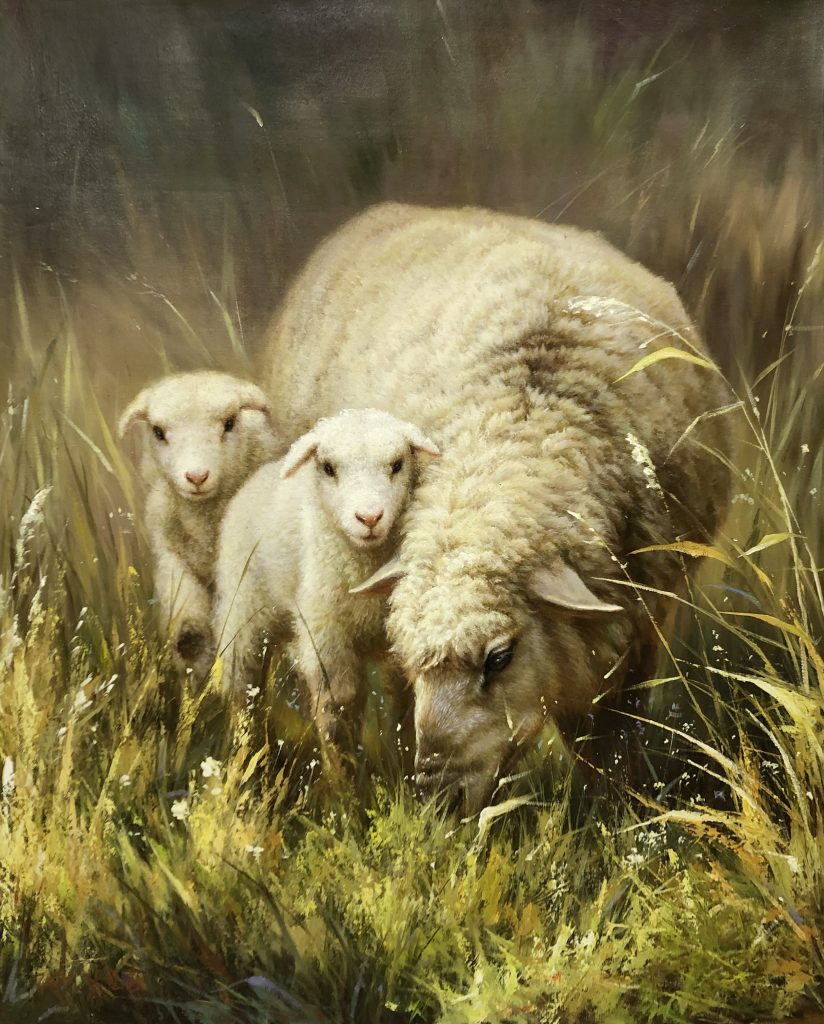
Realistic Sheep Oil Painting Secrets – Master Techniques for Lifelike Results
A realistic sheep oil painting captures not just the appearance of sheep but also the texture of wool, depth of field, and emotional presence that draws viewers into the scene. Whether it’s a tranquil pastoral setting or a detailed study of sheep in motion, mastering realism requires understanding key artistic techniques that go beyond simple representation. In this guide, we’ll explore the three essential secrets that help established artists achieve vivid realism in sheep oil paintings — techniques that elevate paintings from good to truly breathtaking.
Why Realism Matters in Sheep Oil Painting
Sheep are deceptively complex subjects. Their wool, subtle shading, and soft contours present unique challenges for oil painters. Unlike smoother surfaces, wool demands nuanced layering and careful handling of light and shadow to convey its fluffiness and volume. When done well, these realistic qualities make viewers feel as if they could reach out and touch the sheep directly — a hallmark of high-level realism.
Secret #1: Layered Underpainting – Foundation for Depth
The first secret to a realistic sheep oil painting lies beneath the surface: a carefully prepared underpainting.
Key Steps in Underpainting
- Monochrome Block-In: Artists begin with a neutral monochrome layer, typically in muted tones like grays or earth colors. This early stage establishes the painting’s light, shadow, and overall composition.
- Imprimatura Layer: A thin tonal wash applied across the canvas helps unify colors and enhances the warmth of later layers.
- Value Mapping: Prioritizing values (lightness and darkness) before color ensures that all subsequent layers read correctly under shifting light conditions. This step is crucial because human perception of form relies more on value than hue.
By perfecting this foundation, artists lay the groundwork for realism that’s structurally sound and visually compelling.
Secret #2: Mastering Light, Glazing, and Wool Texture
Once the underpainting is established, the next breakthrough in a realistic sheep oil painting is mastering light and glazing to create believable texture — especially the soft, layered wool that defines sheep.
Glazing Techniques for Realism
- Transparent Layers: Artists apply thin, transparent glazes over dry layers to build luminous depth and subtle tonal shifts.
- Color Variance in Wool: White wool isn’t purely white — it includes subtle hues of cream, yellow, gray, and even cool blues in shadows. Capturing these shifts prevents a flat look and brings vitality to the sheep’s coat.
- Light Source Accuracy: Knowing where the light enters and how it interacts with the subject sharpens dimensionality and draws focus to important areas.
This method echoes advanced realism tutorials that emphasize lights and shadows as core components of realistic oil painting. Understanding how light sculpts form is essential to making subjects appear lifelike rather than flat on canvas.
Secret #3: Controlled Detail and Strategic Restraint
Realism isn’t just about detail — it’s also about knowing where to place it.
Balancing Focus and Simplicity
- Focal Points First: The sheep’s eyes, nose, and key wool textures receive the highest level of clarity and sharpness.
- Softened Surroundings: Background grasses, distant foliage, or parts of the sheep that don’t serve as the focal point remain softer. This contrast helps guide viewer attention and prevents visual overload.
- Brushstroke Precision: Great realism often hides its effort. By reducing unnecessary brushstrokes and focusing on economy of movement, artists maintain a balanced surface that feels effortless, even when complex techniques are involved.
This blend of hyper-focused detail and elegant restraint ensures the painting looks both rich and refined.
Tips for Aspiring Realistic Sheep Oil Painters
While mastering these secrets takes practice, here are a few practical tips to help paint more convincingly:
- Use Quality Brushes: A range of sizes helps you shift smoothly from broad backgrounds to intricate wool textures.
- Study Outdoor References: Observe light and atmosphere in real pastures; this helps inform your palette and shading choices. (realistic landscape painting inspiration)
- Practice Glazing: Spend time with glazing techniques to see how thin layers can dramatically enhance depth.
Final Thoughts
Creating a realistic sheep oil painting requires more than talent — it needs strategy. By building a strong underpainting foundation, mastering how light interacts with texture, and controlling where details are placed, artists can bring sheep to life on canvas. Whether you’re an aspiring painter or an art collector appreciating realism, understanding these secrets will deepen your appreciation and sharpen your skills.
📦 Available at OilPaintingMall
This original oil painting by Seo Jong-Dok is available for purchase at
oilpaintingmall.com — your trusted gallery specializing in DPRK hand-painted works.